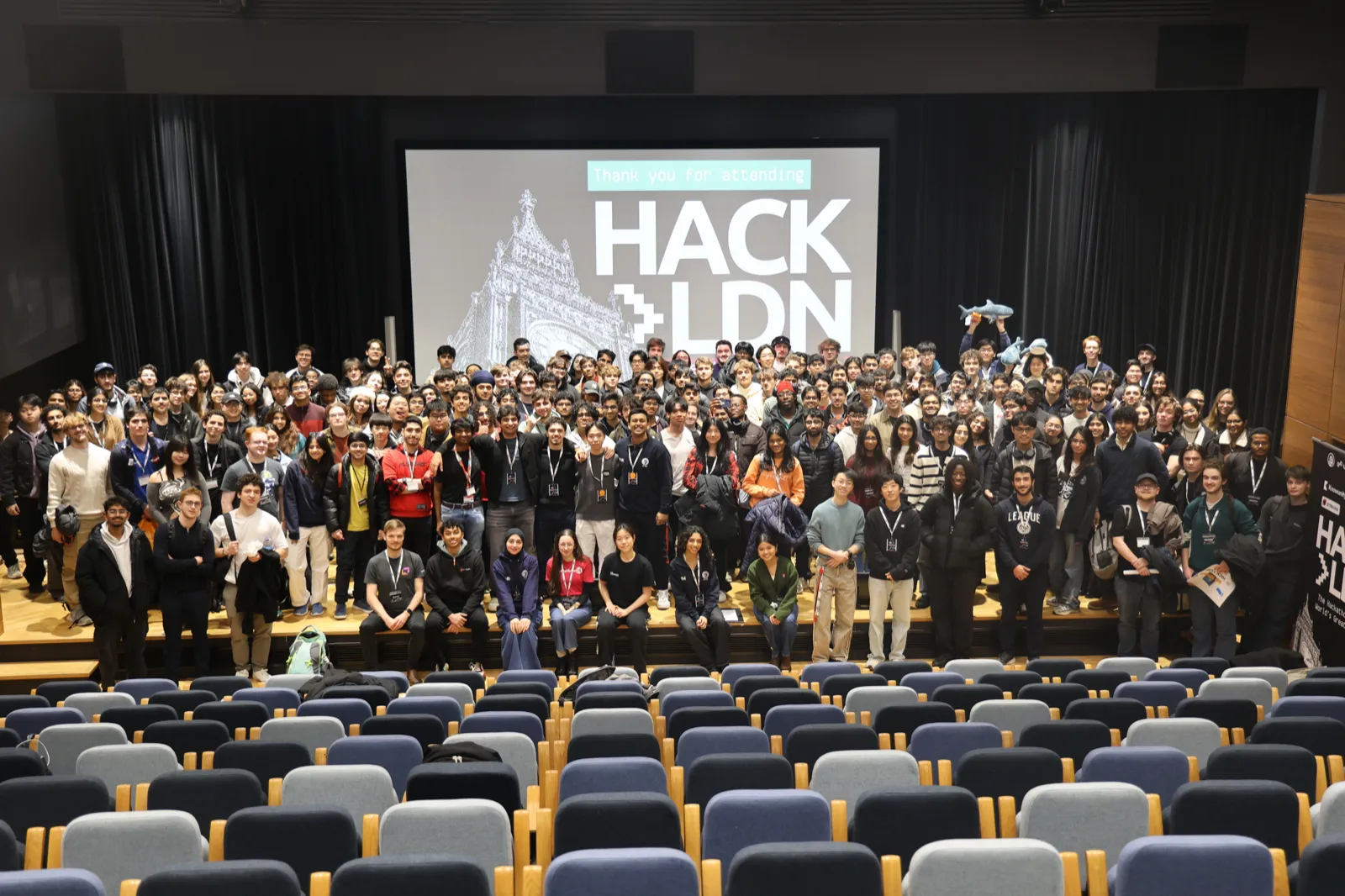
Judging HackLondon 2026
It's one thing to talk about making education better. It's another to watch a room full of students actually build it, live, over a weekend.
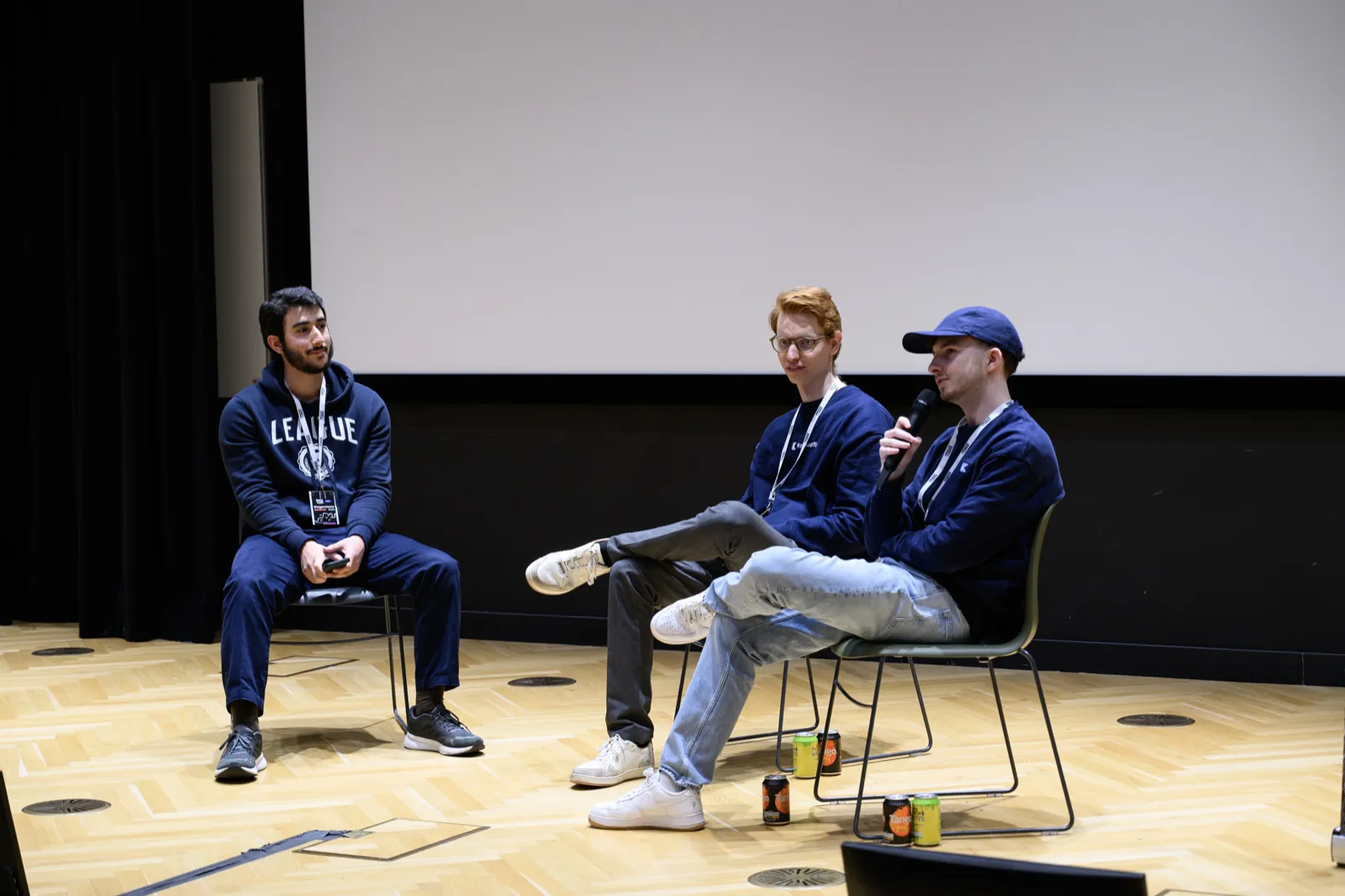
This past weekend I represented Knowunity at HackLondon 2026, hosted at King's College London. It was my first time judging a hackathon and my first time doing a fireside chat — both alongside my colleague Gregor. If you'd told me a year ago I'd be on stage talking about our journey and what we're building at Knowunity in front of hundreds of student developers, I probably wouldn't have believed you. But that's the thing about working at a startup: the timeline for "firsts" gets compressed dramatically.
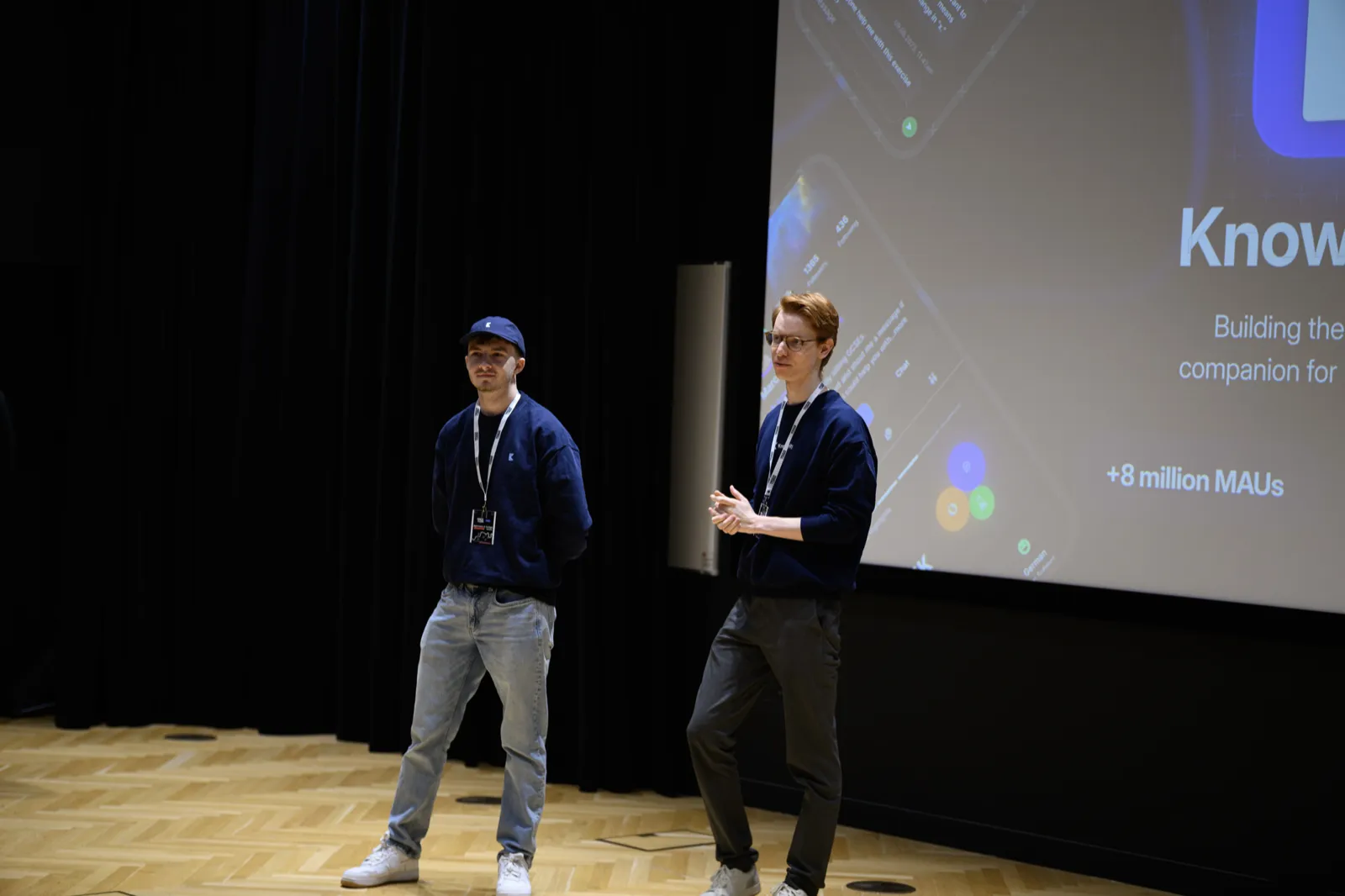
Why hackathons matter for edtech
Hackathons sit at this interesting intersection of speed, creativity, and constraint. You have 24–48 hours, a loose brief, and a team of people who probably met that morning. The ideas that come out of that pressure cooker are often rough around the edges — but the best ones carry a clarity of purpose that longer, more structured projects sometimes lose.
The Knowunity track had one of the highest participation counts of any sponsor track at the event, which honestly caught us off guard. The interest from students in education technology was real and tangible. These weren't projects being built to tick a box. People genuinely cared about the problem space.
What stood out
A few themes kept surfacing across the submissions we reviewed. Accessibility came up repeatedly — teams were thinking hard about how to make learning tools work for students who are underserved by the current system. Personalisation was another big one: the idea that a one-size-fits-all approach to education is fundamentally broken, and that technology can close that gap.
Some of the projects were genuinely impressive in scope for a weekend build. Without going into specifics (we'll leave that to the organisers to announce), the standard was high and the ambition was higher.
The fireside chat
Sitting down in a more informal setting and talking openly about what building a product at Knowunity actually looks like — the messy bits, the wins, the things that didn't work — was probably the highlight for me personally. The questions from participants were sharp and specific. Not generic "what's it like working at a startup" stuff. People wanted to know about technical decisions, growth strategy, how we think about the student experience. That level of curiosity is exactly what makes the student developer community so exciting to engage with.
Looking ahead
Events like HackLondon remind you why this work matters. It's easy to get buried in sprint cycles and dashboards and lose sight of the bigger picture. Spending a weekend surrounded by people who are energised about using technology to improve education is a pretty effective reset.
Huge thanks to the HackLondon organising team, KCL Tech, and everyone who stopped by the Knowunity booth or participated in our track. The talent in UK universities right now is seriously impressive, and I'm looking forward to seeing where these projects go next.
If you were at HackLondon and want to stay connected, feel free to reach out — always happy to chat about edtech, building products, or what working at a startup actually involves day to day.